

If you’ve been online at some point in the past two decades, you’ve probably seen someone performing a “torture test” on a gun. Sometimes this is a simple as shooting a lot without cleaning to see when reliability takes a hit. Other times it involves freezing guns in blocks of ice, dropping them from helicopters, slamming them into concrete, filling the action with mud, and more. All in the name of testing reliability. This makes for great entertainment, but the practical value varies widely.
Unfortunately “reliability” is often an incredibly vague and subjective term. Your dad’s SCCY may be reliable according to him, but he only shoots a magazine a year after cleaning it thoroughly and putting it back in the safe. My Roland Special is reliable, so long as it gets fed NATO and +P ammunition or is shot with perfect form. What do we mean when we talk about reliability? Ask a hundred people and you’ll likely receive a hundred different answers.
The Value of Torture Tests
Personally, I think the vast majority of torture tests are largely fugazi; a bunch of flash for views rather than anything useful. Which can be fine, so long as it’s not used as data. However, as I’ve discussed previously, people commonly conflate entertainment with education, and the source of said material rarely puts forth serious effort to stop this confusion.
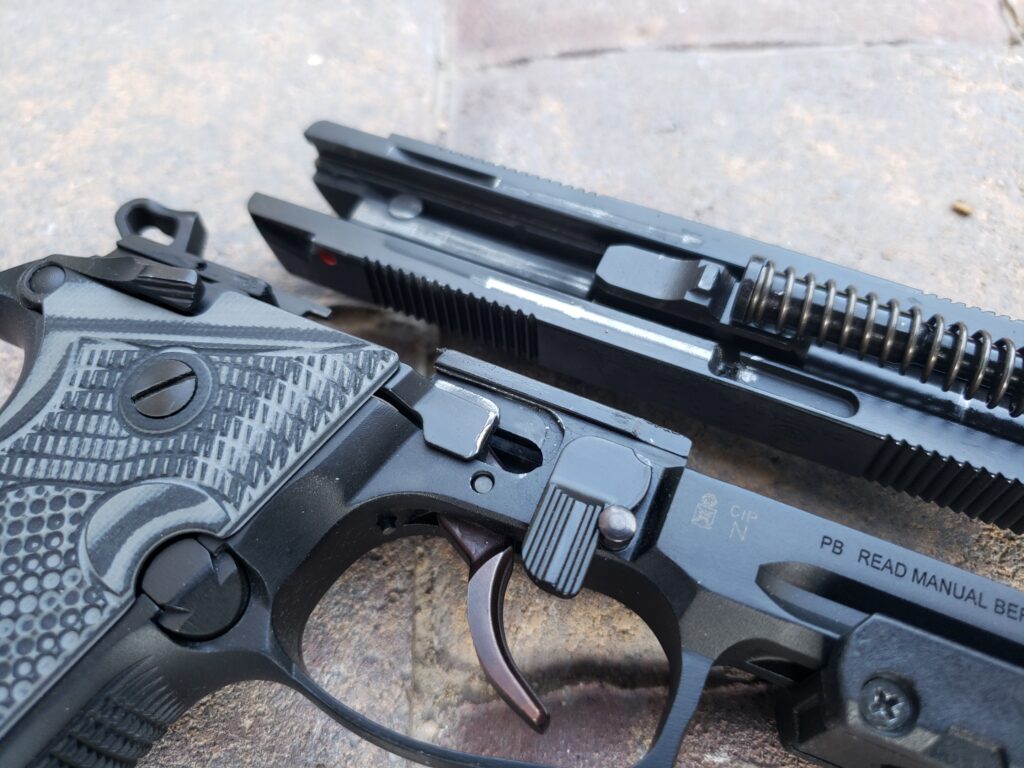
Outside of checking for premature parts breakage or excessive wear with high round counts, most torture tests should be left behind. As shooters and gun carriers, we shouldn’t be subjecting our firearms to these lengths either. Our guns are used for personal protection, and should be kept in good condition. That means, clean and lubricated with worn parts swapped out at regular intervals.
Standards
Do our guns need to run for 500 or 2,000 rounds without cleaning or lubrication before encountering a stoppage? I don’t think so. So long as I can make it through my standard loadout, I’m pretty comfortable. That may be 17+1 in the gun, plus two spare magazines for a Glock. Maybe it’s a single six-round magazine in a Ruger LCP, or five shots in a snub revolver.
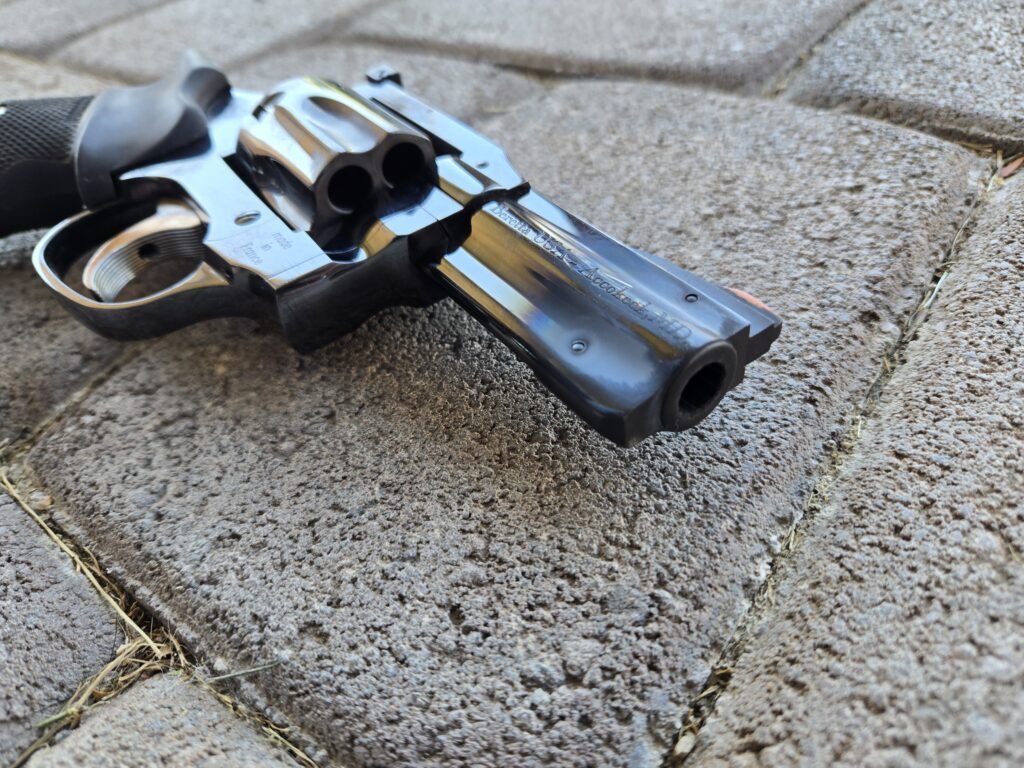
The ability to handle more than that is good, especially for training, but not necessarily critical for defensive purposes. Of course I want and expect more than that from my firearms and their manufacturers. I’m probably looking elsewhere if I can only get through a magazine or two, but I also don’t expect a mouse gun to act like a duty gun, a revolver to act like an auto, or a duty gun to act like a video game.
Neglecting, abusing, and torturing our guns does not bode well for the long term either. I don’t know about you, but my pockets are not deep enough to intentionally damage my firearms. I want them to last a lifetime, with proper service. The occasional cleaning and lubricating also gives me a chance to inspect them for wear, potentially avoiding disaster in a life or death situation.
Closing Thoughts on Torture Tests
Reliability tests are absolutely have a place in our world, but not all are created equal. Leave that to the professionals, and keep your guns in tip top shape. Don’t break the bank because you broke your gun for fun. Don’t live with regret that you didn’t ensure your gun functioned in a time of need. And don’t expect miracles from a mechanical device.
Support My Work
If you made it this far, thanks for reading! Writing isn’t my full-time profession, and nearly everything I do comes out of my own pocket. Between ammunition, tuition, range fees and more, expenses add up fast. If you like what I have to offer, consider making a donation to my Patreon.
Every bit helps bring more work like this to you, and contributes to shortened timelines or more in-depth work on my part. You’ll also have more direct access to me, offering suggestions for future projects, looking behind the scenes, and getting early access to some content. You can find my Patreon >>HERE<<



3 Trackbacks / Pingbacks